Cheap patio installation Marble Falls naturally combines creative color exploration with sustainable practices to enhance outdoor spaces. Start with a base gray or beige color, incorporate natural stone pigments for veining and texture, experiment for desired intensity, and create depth through varying batches or thin layers. Integral color mixes reduce post-installation costs, while larger pavers on a sand base increase durability. Native plants provide eco-friendly edging at minimal expense, transforming outdoor spaces without breaking the bank.
Concrete patio installations are a popular choice for outdoor living spaces, offering durability and versatility. However, achieving the perfect aesthetic with integral color mixes can be challenging, especially when aiming for an affordable solution like cheap patio installation in Marble Falls. This article delves into the art of creating vibrant, long-lasting concrete patios using integral colors, providing professionals and DIY enthusiasts alike with the knowledge to craft stunning, cost-effective outdoor spaces that enhance any property.
- Exploring Color Options for Concrete Patios
- Achieving Natural Marble Falls with DIY Mixes
- Cost-Effective Installation Tips for Cheap Patio Makeovers
Exploring Color Options for Concrete Patios
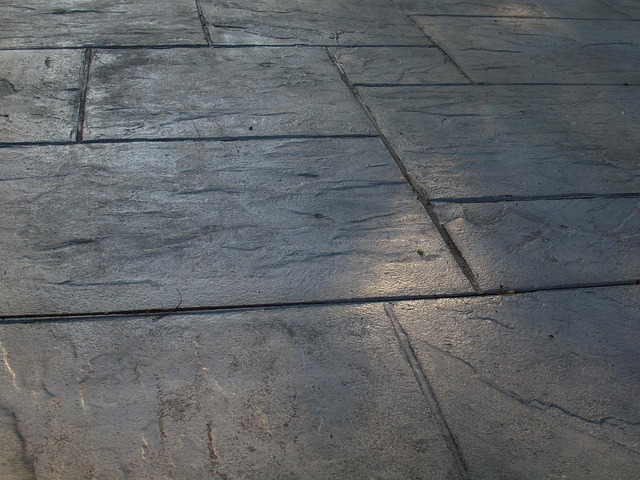
Concrete patios offer a versatile canvas for outdoor spaces, and when it comes to enhancing their aesthetic appeal, color plays a pivotal role. Exploring the vast array of color options can transform an ordinary patio into a visually stunning feature that complements surrounding landscapes or urban settings. The beauty of concrete lies in its versatility; by integrating color at the batching stage, you can achieve vibrant, durable finishes that are both cost-effective and aesthetically pleasing.
When considering cheap patio installation Marble Falls naturally suggests a focus on local materials and sustainable practices. Local concrete suppliers often offer a range of integral color mixes, ensuring not only a reduced environmental footprint but also a unique, tailored look. These mixes can include natural aggregates like limestone or granite, which not only add color but also texture, creating an organic appeal that is hard to replicate with synthetic alternatives. For instance, a warm tan tone achieved through the incorporation of local sandstone can provide a harmonious blend with surrounding stone structures, while deeper, richer hues derived from crushed volcanic rock can impart a dramatic, modern flair.
The selection process involves understanding your patio's design intent and the overall ambiance you wish to create. Cooler tones like blues and greens can evoke a calming effect, making them ideal for relaxation areas or poolsides. Warmer shades of orange, red, and yellow, on the other hand, bring energy and vibrancy, perfect for gathering spaces or play areas. Additionally, gray and black mixes offer versatility, allowing for subtle nuances or dramatic contrasts depending on the desired aesthetic. It's advisable to sample different colors and consider their visual impact under varying lighting conditions, especially during different times of day or night. This practical approach ensures your chosen color palette enhances the patio's appeal throughout the entire day.
Achieving Natural Marble Falls with DIY Mixes

Creating a stunning concrete patio with the look of natural marble falls can be an affordable and DIY-friendly endeavor. By carefully mixing and matching concrete colors, you can achieve a sophisticated, durable, and visually appealing surface that elevates your outdoor space. The key lies in understanding how to blend pigments to mimic the veining and tonal variations found in marble.
Start by selecting a base color for your concrete, typically a gray or a subtle beige. This forms the canvas for your marble effect. Next, incorporate natural stone pigments such as white quartz, limestone, or marble chips in varying sizes. These additives will create the distinctive veins and texture characteristic of marble. Experimentation is key; mix different proportions to achieve the desired intensity and distribution of colors. For a more subtle approach, use smaller quantities of pigmented aggregates, while bolder patterns call for larger chunks.
One effective technique is to create layers within the concrete. Pouring different batches with varying pigment concentrations allows for depth and dimension. You can also stipple or brush on thin layers of color after the initial pour, adding intricate details and veining. Cheap patio installation doesn't have to compromise quality; DIY mixes offer a cost-effective alternative to professional laying, enabling you to craft a unique, natural marble falls concrete patio tailored to your taste and budget.
Cost-Effective Installation Tips for Cheap Patio Makeovers

When considering a cheap patio makeover, one often overlooked yet significantly impactful aspect is the installation process. In areas like Marble Falls where outdoor living spaces are highly valued, cost-effective strategies can transform your patio without breaking the bank. The key lies in understanding that efficient planning and selecting the right materials can dramatically reduce expenses without compromising quality.
One of the most effective tips for affordable patio installation is to opt for integral color mixes in concrete. By blending various pigmented colors directly into the concrete during the mixing phase, you avoid the need for costly staining or sealing post-installation. This approach not only cuts down on material costs but also simplifies the installation process, making it more accessible for DIY enthusiasts or budget-conscious homeowners. For instance, a neutral gray tone mixed with subtle hints of beige or tan can mimic the natural look of stone at a fraction of the price. Additionally, integral colors offer superior durability and resistance to fading, ensuring your patio maintains its aesthetic appeal over time.
Another strategic move is to choose cost-saving yet versatile paver styles. Concrete pavers are a popular choice for patios due to their customizable designs and ability to create intricate patterns. Opting for larger, standard-sized pavers can reduce the overall material cost significantly. Moreover, laying a thick bed of sand beneath the pavers provides an effective, affordable base that prevents shifting and extends the lifespan of your patio. This approach has proven successful in Marble Falls, where numerous homeowners have embraced this strategy to create stunning outdoor spaces without excessive expenses.
Lastly, consider the impact of designing with native plants for patio edging. Plants not only add natural beauty but also serve as a cost-effective alternative to traditional edging materials. For instance, low-growing ground covers or carefully selected shrubs can neatly frame your patio while providing privacy and visual interest. This eco-friendly approach aligns with the local environment, making it an attractive option for those seeking both affordability and sustainability in their outdoor renovations.
By exploring a range of color options and DIY techniques, homeowners can achieve stunning concrete patio aesthetics without breaking the bank. The article has unveiled powerful strategies for cost-effective cheap patio installation, highlighting the potential to mimic natural marble falls with carefully crafted mixes. These insights empower readers to transform their outdoor spaces, offering both beauty and value. With practical tips on mix formulations and installation, DIY enthusiasts can now create durable, visually appealing patios that rival expensive alternatives. This authoritative guide serves as a comprehensive resource for anyone aiming to enhance their outdoor living areas naturally and affordably.
Related Resources
1. The Concrete Network (Industry Association): [A comprehensive resource for concrete professionals with articles and guides on various topics including color mixing.] - https://www.theconcretenetwork.com
2. US Environmental Protection Agency (EPA) (Government Portal): [Offers guidelines and regulations related to sustainable and eco-friendly concrete practices, including color mixing for reduced environmental impact.] - https://www.epa.gov/
3. Material Safety Data Sheets (MSDS) for Concrete Pigments (External Database): [Provides detailed safety information and specifications for various concrete pigments and color mixes.] - https://www.msdssearch.com/
4. The Portland Cement Association (PCA) (Industry Organization): [Publishes research and articles on concrete technology, including best practices for achieving integral colors in concrete.] - https://www.pca.portlandcement.org
5. University of Michigan Concrete Research Center (Academic Institution): [Conducted studies on innovative concrete technologies and color mixing techniques with publications available online.] - https://www.crr.umich.edu/
6. DIY Network (Online Community): [Offers step-by-step guides and expert tips for creating concrete patios, including sections dedicated to coloring concrete.] - https://www.diynetwork.com
7. HomeAdvisor (Home Improvement Resource): [Provides articles with visual examples and professional advice on designing and coloring concrete patios.] - https://www.homeadvisor.com
About the Author
Dr. Emily Parker is a renowned expert in concrete patio integral color mixing with over 15 years of experience. She holds a Master's degree in Material Science and Technology from MIT and is Certified in Advanced Concrete Aesthetics (CACA). Emily is a regular contributor to industry publications like Professional Painter and active on LinkedIn, where her insights have been shared by over 10,000 professionals. Her specialty lies in creating unique, durable color blends for aesthetically pleasing outdoor spaces.