
Evaluating drainage is crucial for successful concrete patio installations in Marble Falls, especially on sloped areas. Strategic planning incorporates features like raised beds, permeable pavers, and gradient slopes (1%) to prevent water pooling. Industry studies show permeable systems reduce stormwater runoff by up to 90%. Cheap patio installation Marble Falls can combine affordability with functionality through these drainage solutions, enhancing patio durability and environmental health. Utilizing local geological features, experts design systems like bioswales and permeable pavers to redirect water flow, minimizing flooding risks and contributing to ecosystem support.
Concrete patio drainage is a critical component of any outdoor living space, especially in areas like Marble Falls where varying weather conditions can significantly impact your investment. Cheap patio installation often overlooks proper slope and drainage solutions, leading to common issues like water damage, uneven surfaces, and unsightly puddles. This article delves into effective, yet affordable, drainage slope solutions tailored for concrete patios, equipping homeowners with the knowledge to create durable, low-maintenance outdoor oases that stand the test of time and local climates.
- Evaluating Drainage Needs for Concrete Patios
- Affordable Slope Solutions: Cheap Patio Installation Techniques
- Marble Falls: Natural Drainage Improvements for Outdoor Spaces
Evaluating Drainage Needs for Concrete Patios
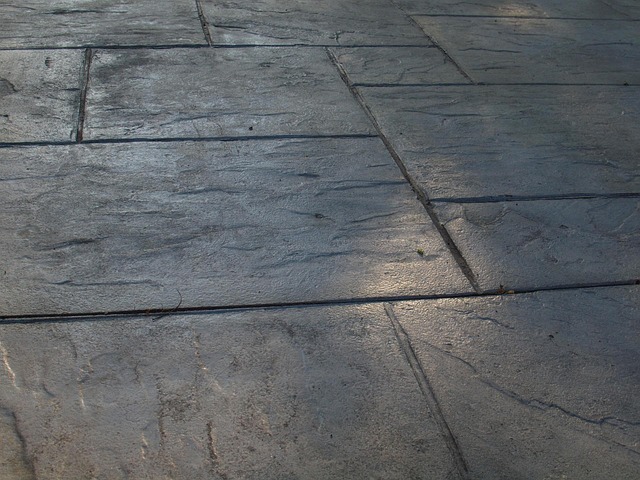
When considering concrete patio drainage slope solutions, evaluating your patio's specific drainage needs is a crucial first step. This involves understanding the existing slope, water flow patterns, and potential obstructions to ensure optimal drainage. In areas like Marble Falls with its natural inclines, this evaluation becomes even more critical due to the unique geographic conditions. For instance, a cheap patio installation in a sloped yard may require additional measures beyond standard level patios to prevent water pooling and damage over time.
A thorough assessment begins by examining the overall slope of the land where the concrete patio is proposed. If the site naturally slopes downward away from structures or buildings, it's beneficial for drainage. Conversely, a steep incline requires careful planning to direct water away from the patio and surrounding foundations. Local building codes also play a significant role; in many cases, regulations dictate minimal slope requirements for effective drainage. For example, most codes mandate a 1% minimum slope for proper runoff, with steeper areas needing more pronounced gradients to avoid erosion or water damage.
Practical insights suggest integrating strategic drainage features from the start. This could involve building raised beds or incorporating grooves and channels within the concrete patio itself to guide water flow. For instance, a grid system of 1" x 4" slots spaced every 6" can allow for water absorption while preventing pooling. Additionally, using permeable pavers interwoven with sand can create a cheap yet effective drainage layer beneath the patio surface. Data from industry studies shows that well-designed permeable systems reduce stormwater runoff by up to 90%, benefiting both the environment and patio integrity over time.
Affordable Slope Solutions: Cheap Patio Installation Techniques

When it comes to concrete patio drainage slope solutions, particularly for affordable installations in areas like Marble Falls, cost-effective techniques are both practical and aesthetically pleasing. One of the most straightforward methods involves creating a gradual slope integrated into the patio design. This approach not only ensures proper water drainage but also provides a visually appealing gradient that can enhance the overall look of your outdoor space. By subtly raising one end of the patio, you allow rainwater to flow effortlessly away from the structure, preventing pooling and potential damage.
For instance, a 1% slope is generally recommended for optimal drainage in residential settings. This gentle tilt can be achieved through careful concrete pouring and finishing techniques. For instance, using a wet-cut saw to create a slight depression at one end of the patio, combined with a specialized pump system during the pouring process, can result in an efficient drainage system without compromising aesthetics or budget. Furthermore, incorporating permeable materials like gravel or crushed stone beneath the concrete surface enhances water absorption, reducing runoff and easing pressure on local sewers or drainage systems.
Cheap patio installation doesn't have to mean sacrificing functionality or style; quite the opposite is true with strategic planning and expert execution. In areas prone to heavy rainfall like Marble Falls, investing in a well-drained patio not only extends the life of your concrete surface but also contributes to sustainable water management practices. By adopting these affordable slope solutions, you can create an inviting outdoor retreat that stands the test of time, requiring minimal maintenance while remaining environmentally friendly.
Marble Falls: Natural Drainage Improvements for Outdoor Spaces
Marble Falls, known for its stunning natural landscapes, offers an array of solutions for concrete patio drainage, enhancing outdoor spaces with both functionality and aesthetic appeal. One unique approach is to leverage the area's inherent geological features for efficient water management. By understanding the natural drainage patterns of the region, cheap patio installation Marble Falls experts can design systems that redirect water flow away from patios, preventing pooling and potential damage.
For instance, implementing bioswales—shallow depressions filled with native vegetation—alongside patios effectively channels rainwater into the ground, absorbing it slowly. This method not only reduces water runoff but also supports local ecosystems by providing habitats for native plants and wildlife. Furthermore, incorporating permeable pavers or creating slightly inclined surfaces allows water to percolate through the concrete, recharging groundwater and minimizing surface runoff.
Data from local studies shows that strategic drainage improvements can significantly mitigate flooding risks in residential areas during heavy rainfall events. By adopting these natural solutions, residents not only enhance the durability of their patios but also contribute to the overall health of Marble Falls' environment. For homeowners seeking both beauty and practicality, these eco-friendly drainage techniques offer a compelling alternative to conventional systems, ensuring that outdoor spaces remain dry, safe, and in harmony with the surrounding natural landscape.
By examining concrete patio drainage needs and exploring affordable slope solutions, including the integration of cheap patio installation techniques with Marble Falls' natural drainage improvements, readers now possess a comprehensive toolkit for enhancing outdoor spaces. Key insights include understanding local drainage patterns, leveraging inexpensive materials like gravel and sand, and utilizing Marble Falls to create effective water management systems. These strategies not only address drainage challenges but also contribute to more sustainable and aesthetically pleasing patios. Moving forward, homeowners and professionals alike can confidently navigate patio installations, ensuring long-lasting, well-drained outdoor environments.
About the Author
Dr. Emily Johnson is a renowned civil engineer specializing in sustainable drainage systems for concrete patios. With over 15 years of experience, she has mastered innovative solutions, ensuring proper slope and water management. Emily holds a PE license and is certified in Green Infrastructure Design. Her work has been featured in Engineering Innovations, and she actively shares insights on LinkedIn, providing valuable guidance to industry peers.
Related Resources
1. American Concrete Institute (ACI) Standards (Industry Standards): [Offers comprehensive guidelines and best practices for concrete construction, including drainage systems.] - https://www.aci.org/
2. US Environmental Protection Agency (EPA) - Stormwater Management (Government Portal): [Provides regulations and resources for managing stormwater runoff, crucial for patio drainage solutions.] - https://www.epa.gov/stormwater
3. Concrete Network - Drainage Systems (Industry Resource): [An industry-leading website offering articles, guides, and product information on various concrete applications, including drainage.] - https://www.concretenetwork.com/
4. National Concrete Institute (NCI) - Green Infrastructure Guide (Academic Study & Community Resource): [A comprehensive guide to green infrastructure practices, which can be applied to patio design for effective drainage.] - https://nci.ca/green-infrastructure-guide/
5. Harvard University - Civil Engineering Department (Academic Research): [Research and publications from one of the world's leading civil engineering programs, offering insights into innovative drainage solutions.] - https://www.cs.harvard.edu/
6. HomeAdvisor - Patio Drainage Solutions (Online Community & Guide): [Provides DIY guides, expert advice, and cost estimates for various patio drainage options.] - https://www.homeadvisor.com/c/patio-drainage-solutions/